
Impact Stories
It’s no secret that Non-Profit Organizations are fueled by causes that they are trying to support- by way of raising financial backing. No matter the cause or purpose of the org, the goal is to obtain support from people who believe in that same cause. So, it is very important for Non Profits and NGOs to use a marketing strategy I have come to love: Impact Stories.
Impact stories are honestly easy to mess up. I know that sounds weird, but it is important to understand that there is a fine line between an impact story and poverty porn. Poverty porn, also known as development porn, famine porn, or stereotype porn has been defined as "any type of media, be it written, photographed or filmed, which exploits the poor's condition in order to generate the necessary sympathy for selling newspapers or increasing charitable donations or support for a given cause”. Just the name itself creates that kind of turn in your stomach. We always want to help people tell stories of less fortune in ways that are honorable, authentic, and impactful.
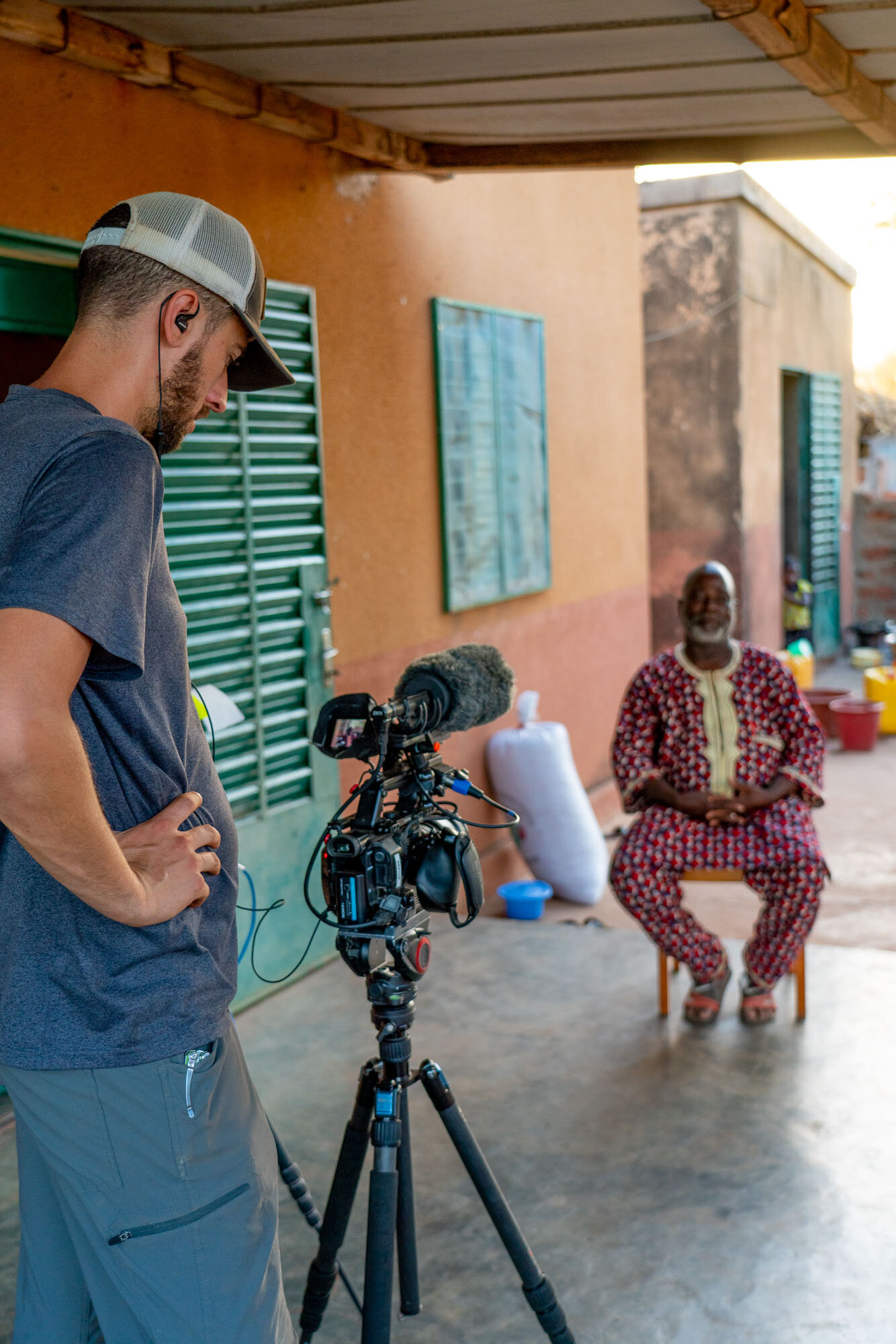
Here are 4 tips when you’re looking for an impact story to tell.
1. Listen
It’s been said that we listen with the intent to respond rather than truly listening. Use every opportunity to listen to as many perspectives as possible. At interviews, over coffee, during breaks in shooting times. Get inside their world & stay there for as long as possible. Some of the most important quotes and conversations for me have come from off-shoot times. Try to stay in moments and be fully present as much as possible!
2. Capture experience & choose authenticity
Just like the movies, any story is really a journey… an experience that we’re bringing outsiders into. For us, it’s important that we capture moments in interviews, and plenty of b-roll to take viewers into the world where the speaker or problem exists.
3. Consider Voice
We work with many people who are from different cultures and therefore languages. It’s been a serious consideration every time we have to create a project, whether or not to use translated voices or sometimes even voiceovers vs. authentic voice. Each project is different, and the use of the outcome is what is most necessary to consider when thinking about who’s voice to write a story script from.
Also, whenever you’re working with cultures different than your own, it’s important to let that culture be what is on display. We we help people in other cultures, we want to help them tell their story from their perspective & how they want it to be told- rather than helping them tell it to our culture’s expectations.. It is important to us that everyone on our projects not only understands the damaging effects of this, but also respects & appreciates each culture for what it can offer to us rather than what we can offer to them. A tangible way we can combat this is to consider voice & empower people to tell their own stories.
4. Provide action
Discuss this with clients you are shooting for up front & ask what their goals are. If at all possible, provide an action step for people to take- whether big or small. It could be a link to more info, or a flat out ask for a donation. Giving people an actionable item helps them to stay connected to the cause!