
Together we Thrive | Alone we Crumble
Sustainability is one of those terms that gets thrown around a lot, and it’s one that can be taken in many different ways. Typically we talk about sustainability within the scope of agriculture which is fair because by definition. It relates to the harvesting of resources in reality, it is so much more than just the food we eat.
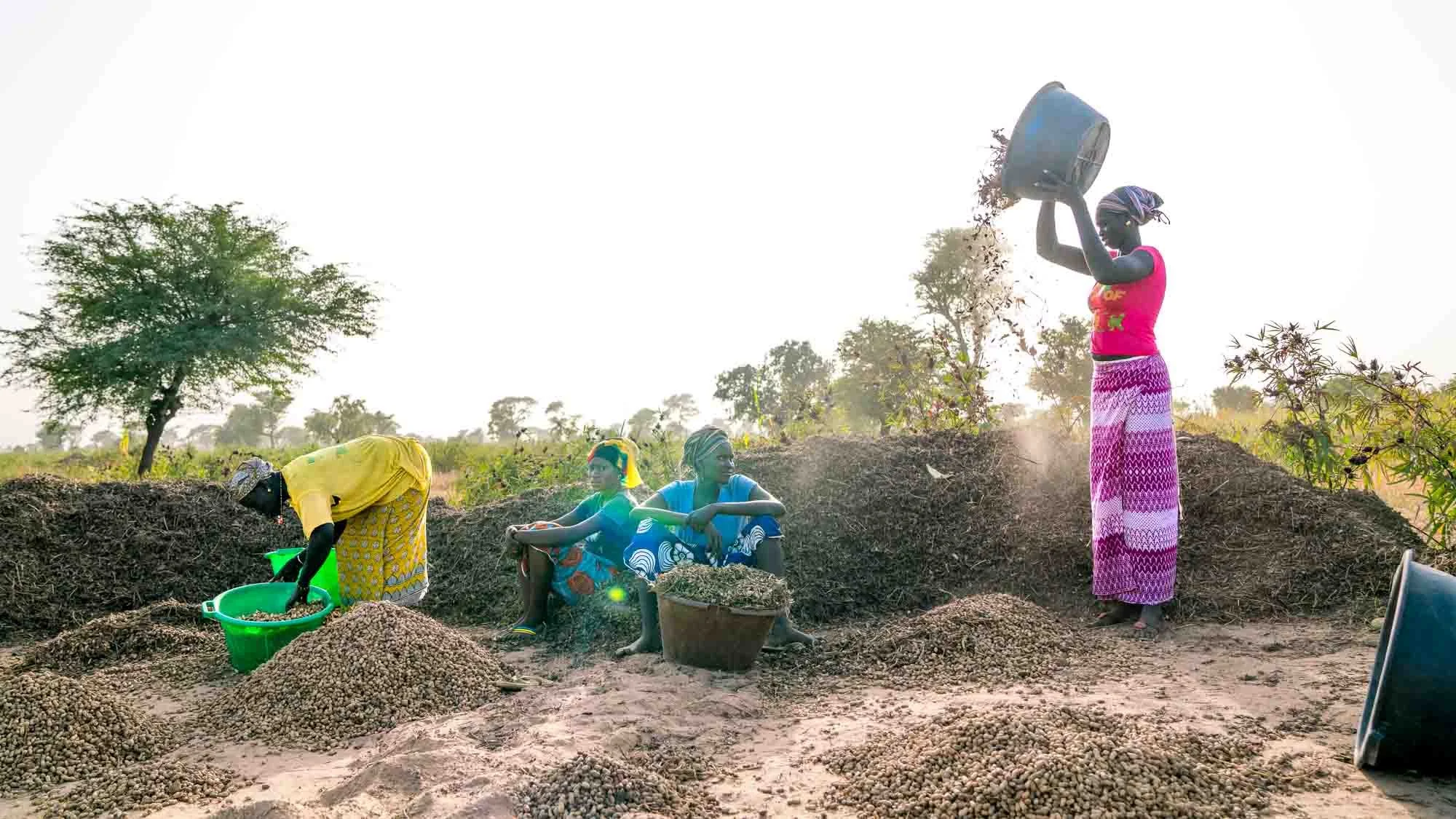
Developing sustainable communities takes a lot of intentional work across all aspects of life. A community must come together, regardless of race, social and economic status, religious beliefs, and education. If a part of the community is left behind, or thought of as a commodity, the entire ecosystem will crumble.
It seems that we live in a time where people are valued by the amount of money they make or the car they drive rather than the positive impact they’re leaving on those around them. Not everyone will earn the same amount, take the same risks, or even have the same desires in their lives… but no one should have to become a refugee for any reason, apart from war. It should be a given to put food on the table, have a roof over your head, and find some joy in life where you spend most of your waking hours.
I say this as someone who has worked in communities all across the globe in an effort to grow the livability of each community. Every community is unique in the specifics of what is needed for sustainability, but at the end of the day, every community has the same core goals they’re working to achieve. It is also fascinating to see the obvious differences between a community-focused culture versus an individualistic culture.

I’ll just spell it out. Yes, the United States of America is an individualistic culture. People in the USA put so much focus on money and trying to exponentially increase the value of their assets without looking at the entire picture of how it impacts those around them.
A perfect example is Park City, Utah where homes are increasing at a rate of 7% annually. Great for homeowners and investors (of which there are plenty), but it is terrible for those in lower-income jobs trying to live in the community where they work where housing is 268% more expensive than the national average. It makes it impossible for them to fully contribute to their community.
A perfect example of this can be seen during the recent tragedy in LA with the wildfires. Venture capitalist Keith Wasserman, who has praised tax cuts that benefit him personally, showed a lack of concern when tragedy struck. While resources that could have been allocated through tax dollars were needed, Wasserman instead pushed for private firefighters to protect his own property. He appeared indifferent to the fact that his neighbors, who were also losing everything they owned, did not have the same access to resources.
The US has become so individualistic that it has lost the essence of community, and I don’t think it will regain it without a drastic event. While communities often come together after emergencies, the unity is usually short-lived. Capitalism and greed leave those without money relying on charity during crises. Take the LA wildfires: blue-collar workers losing everything turn to GoFundMe, supported by others in the same situation, while the ultra-rich offer only "thoughts and prayers" instead of using their resources to help fund recovery efforts.
However, the way blue-collar workers in LA have banded together to provide food, water, and clothing is heartening and shows the power of the community. Yet, this only highlights the widening income gap as the rich profit from the struggles of workers. Blue-collar workers support one another, circulating money, while the wealthy, invested in companies selling survival necessities, continue to grow their wealth. Price gouging during emergencies, like skyrocketing rents in LA, exacerbates this issue.
What does the future of sustainable communities look like? It varies everywhere, and what works in one place may not in another. The conversation around building communities often leaves out those at the bottom, who are too busy struggling to survive. I’m not advocating for socialism, but it’s clear the current direction isn’t sustainable for everyone, and everyone deserves a chance to thrive.